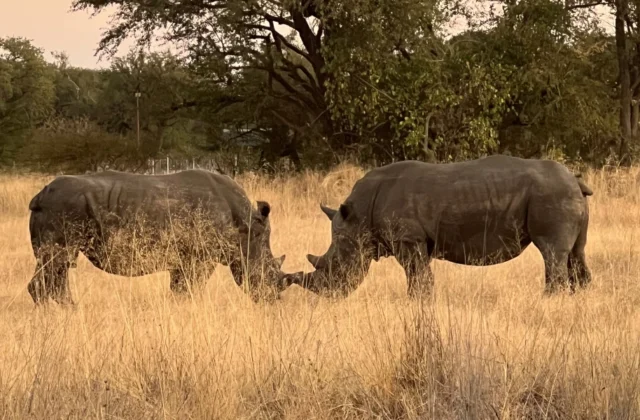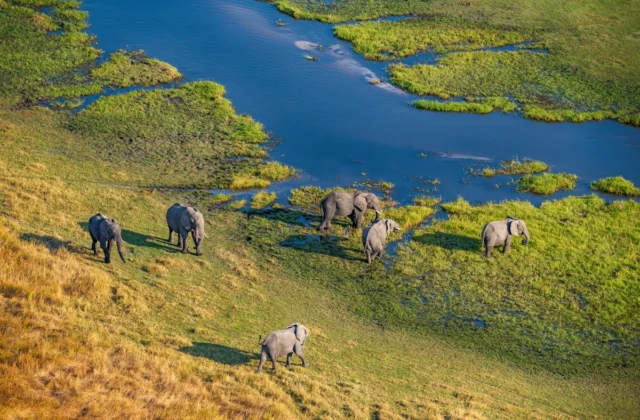

Keeping Texas Wild is a public–private initiative to restore and protect Texas’s wildlands and wildlife habitats damaged by recent fires, floods, droughts, and disasters. The program will unite state leadership, private investment, conservation organizations, and communities to strengthen Texas’s ecological resilience — ensuring that Texas lands and wildlife thrive for generations to come.
The Keeping Texas Wild Program—anchored by the Texas Water & Habitat Recovery Program—will serve as a water conservation and habitat restoration initiative. The program aims to build a robust donor base and convene an expert advisory board of prominent conservation leaders leading their local and global expertise in the sector, convening as a think-tank model dedicated to advancing habitat resilience.
The purpose is to create a scalable, results-driven model for wildlife and wilderness recovery that begins with Texas Water at the heart of restoring critical habitats, safeguarding biodiversity, and leveraging the state’s unmatched conservation legacy as a foundation for national and global replication.
Focus areas include:
Texas Hill Country & Panhandle – Priority region for aquifer recharge and drought resilience where wildfire recovery and native grassland restoration directly improve water infiltration and groundwater supply. Includes key watersheds such as the Llano River Basin and Edwards Aquifer recharge zones, both recognized for water development, repurposing, and watershed protection planning.
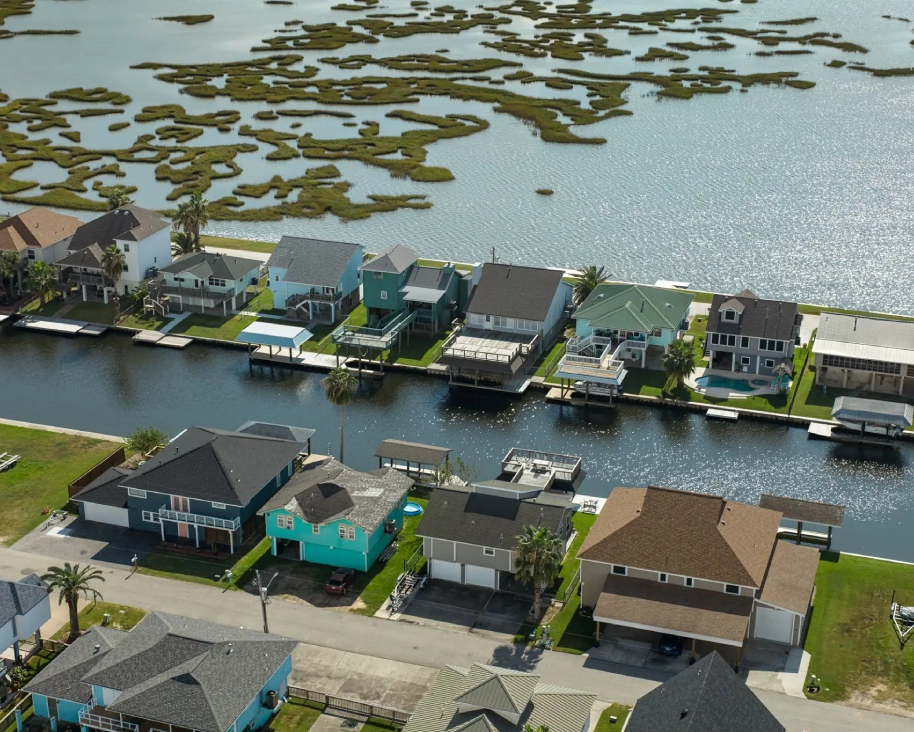
Gulf Coast – Focus on wetland and coastal ecosystem rehabilitation following hurricanes and flooding events. Programs enhance stormwater absorption, salinity balance, and flood mitigation, aligning coastal resilience and water-supply restoration priorities.
East Texas Forests – Post-flood forest management and riparian corridor protection to strengthen water quality and storage. Forested watersheds in East Texas are identified as essential for drinking-water supply and watershed health, making this region critical for long-term water security and biodiversity recovery.
North-Central Texas Watersheds – Support for impaired or at-risk watersheds such as Eagle Mountain Reservoir and Trinity River sub-basins, where water restoration, erosion control, and riparian stabilization can protect municipal water supplies and prevent further degradation.
This work cannot be advanced without this initial development capital.
Your leadership and partnership in directing capital toward this high-impact conservation work in Texas will help us to advance habitat recovery, water resilience, land conservation, and wildlife protection, with a substantial public benefit and measurable outcomes across Texas and America.
Subscribe to our newsletter and get up-to-date to our latest news and insights, and become a Friend of The Cares Organization instantly!